Liquid screed is popular for good reason. It’s quick to install, produces a very flat finish, and works well with modern construction methods. That said, like any building material, problems can arise if it’s poorly specified, badly prepared, or incorrectly managed on site.
One of the biggest misconceptions is that screed failures are caused by the product itself. In reality, most issues come down to process and sequencing rather than the screed.
This article looks at the most common liquid screed problems and, more importantly, how to avoid them – particularly when using cement-based systems such as Cemfloor.
Where liquid screed problems usually come from
Across both domestic and commercial projects, recurring screed issues almost always fall into one of four areas:
- Poor preparation
- Incorrect site conditions
- Rushed drying or commissioning
- Flooring installed too early
Understanding these root causes goes a long way towards preventing problems altogether.
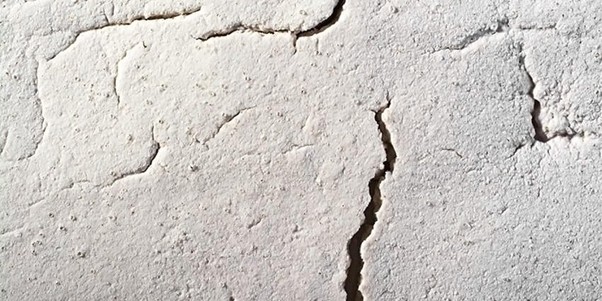
1. Cracking in liquid screed
Cracking is one of the most feared screed issues, but it’s also one of the most misunderstood.
Common causes of cracking include:
- Uneven or unsupported insulation
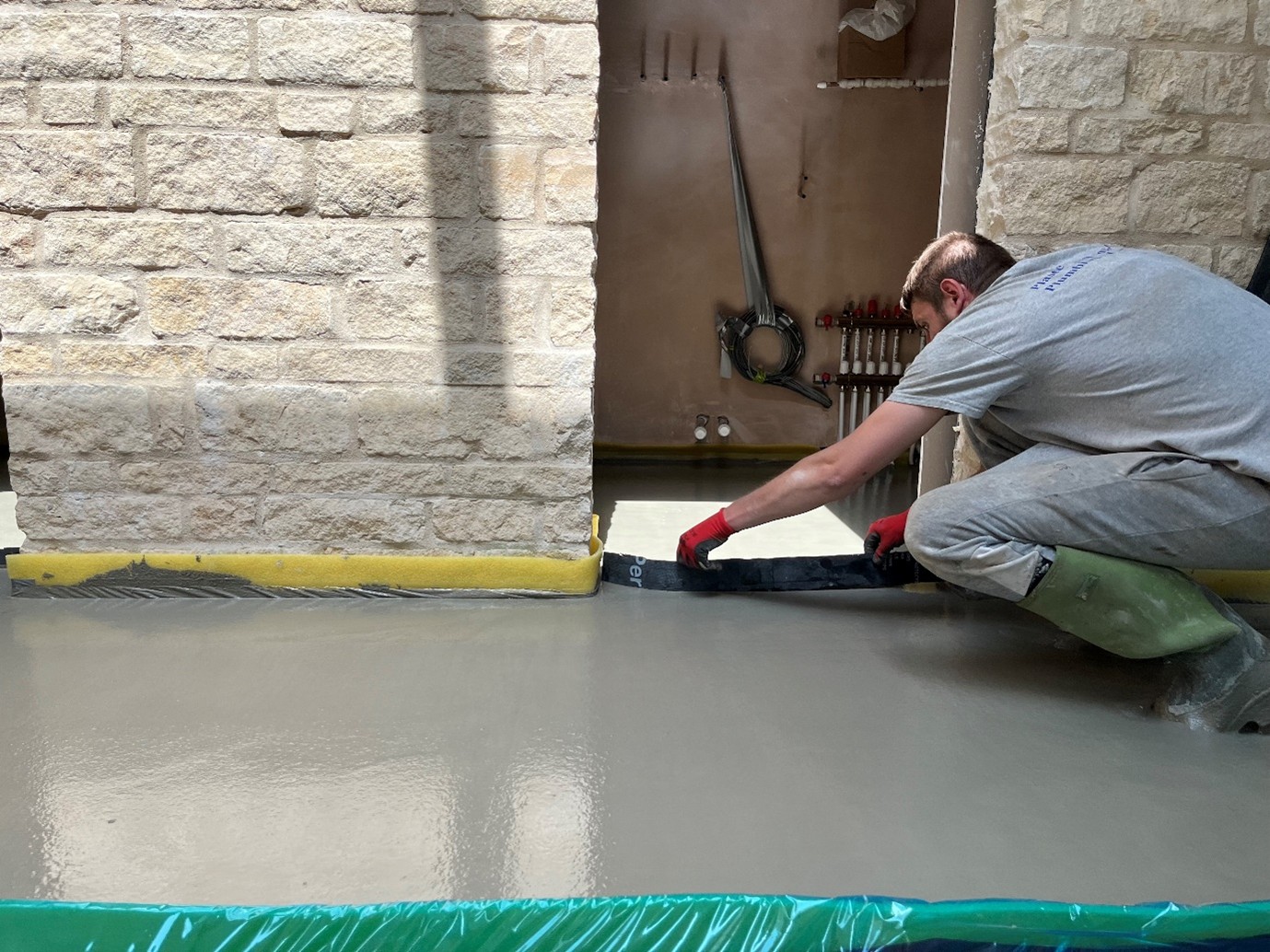
- Missing or incorrect edge insulation
- Screed poured too thin
- Rapid or uncontrolled drying
- Underfloor heating commissioned too quickly
Cement-based liquid screed is designed to accommodate normal movement, but it still relies on good preparation and controlled site conditions.
How to avoid it:
- Make sure insulation is flat and fully supported
- Install perimeter edge strip correctly
- Follow manufacturer guidance on screed thickness
- Avoid drafts and extreme temperatures
- Commission underfloor heating gradually, not suddenly
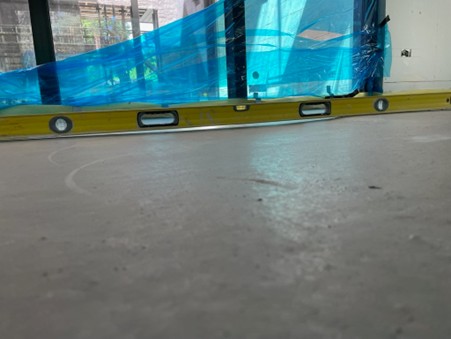
2. Uneven floors or poor finish
Liquid screed naturally self-levels, but it can’t compensate for poor setup underneath.
Typical causes include:
- Incorrect datum levels
- Movement in insulation boards
- Underfloor heating pipes floating during the pour
- Poor edge detailing
How to avoid it:
- Set clear finished floor levels before pouring
- Secure insulation and underfloor heating pipework properly
- Keep the site stable during installation
When preparation is done properly, cement-based liquid screed consistently delivers excellent flatness.
3. Slow drying and programme delays
Another common frustration is screed that seems to take “too long” to dry.
In most cases, delays are caused by:
- Poor ventilation
- High ambient humidity
- Confusion between curing and drying
- Waiting for laitance removal with gypsum-based screeds
Cement-based liquid screed avoids the laitance issue entirely and allows drying to be actively managed, especially when ventilation and underfloor heating are used correctly.
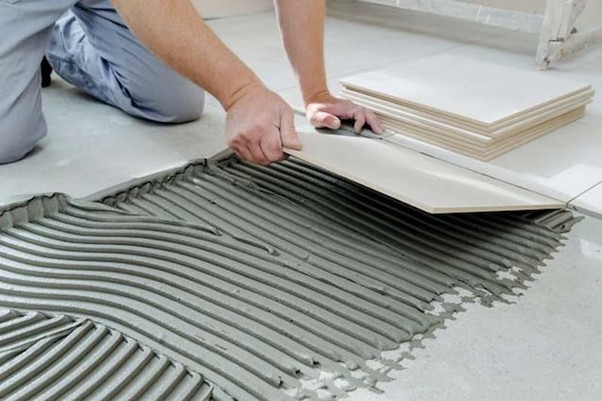
4. Flooring failures after installation
Flooring failures are rarely caused by screed incompatibility.
More often, they’re the result of:
- Floor finishes being installed before moisture limits are met
- Incorrect adhesives or primers
- Skipping moisture testing altogether
Cement-based liquid screed works with most common floor finishes, but moisture testing is always essential before final coverings are laid.
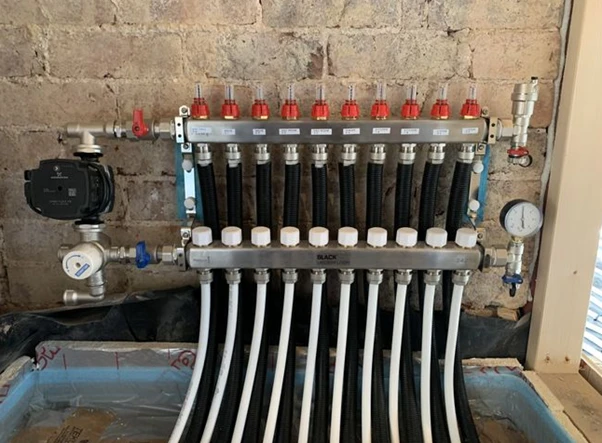
5. Problems linked to underfloor heating
Underfloor heating works extremely well with liquid screed, but only when it’s commissioned correctly.
Typical underfloor heating-related issues include:
- Heating switched on too early
- Temperature increased too quickly
- No commissioning process followed
Best practice includes:
- Allowing sufficient curing time
- Increasing temperatures gradually
- Following manufacturer commissioning guidance
When done properly, underfloor heating actually improves screed drying and long-term performance.
Why cement-based liquid screed reduces risk
Compared to gypsum-based systems, cement-based liquid screed:
- Does not require surface laitance removal
- Is more tolerant of site humidity
- Is suitable for wet areas
- Fits well with standard construction sequencing
This significantly reduces the risk of delays, rework, and flooring failures.
Plain-English summary
Most liquid screed problems are caused by poor preparation, rushed sequencing, or incorrect site management – not by the screed itself.
When installed correctly, cement-based liquid screed provides a reliable, low-risk solution with excellent long-term performance.
Frequently Asked Questions – Common Liquid Screed Problems
Can liquid screed crack?
Yes. Liquid screed can crack, but this is usually due to poor preparation, incorrect thickness, rapid drying, or incorrect underfloor heating commissioning rather than the screed material itself.
What causes most liquid screed failures?
Most liquid screed failures are caused by inadequate preparation, poor site conditions, rushed drying, or floor finishes being installed before moisture levels are suitable.
How can liquid screed cracking be prevented?
Cracking can be minimised by correct insulation installation, proper edge insulation, controlled drying conditions, and gradual underfloor heating commissioning in line with manufacturer guidance.
Does cement-based liquid screed reduce common screed problems?
Yes. Cement-based liquid screed avoids issues such as surface laitance and moisture sensitivity, reducing the risk of delays and follow-on problems compared to gypsum-based screeds.
Are most screed problems caused before the screed is poured?
Yes. In many cases, screed problems originate from poor preparation, incorrect detailing, or unsuitable site conditions rather than the screed installation itself.Can underfloor heating cause problems with liquid screed?
Underfloor heating does not cause problems when installed and commissioned correctly. Issues typically arise when heating is turned on too quickly or without following the recommended process.