Bathrooms, kitchens, utility rooms and wet rooms are some of the most demanding spaces in any building. Floors in these areas have to deal with regular moisture, high humidity, temperature changes and frequent cleaning – all of which put extra strain on the floor construction.
One of the most common questions we’re asked is:
Can cement‑based liquid screed be used safely in bathrooms and kitchens?
The answer is yes. In fact, in many cases it’s the preferred option, particularly when compared with gypsum‑based (anhydrite) screeds.
Why wet areas need special consideration
Wet areas introduce challenges that you simply don’t see in standard living spaces, such as:
- Regular exposure to water and high humidity
- A greater risk of leaks or spills
- Waterproofing systems that are bonded directly to the screed
- Tiled finishes installed with cement‑based adhesives
Because the screed forms the structural base of the floor, it’s crucial that it performs reliably in these conditions and works seamlessly with waterproofing systems.
Cement‑based vs anhydrite screed in wet areas
Anhydrite screed limitations
Anhydrite screed is gypsum‑based, and gypsum is naturally sensitive to moisture. In wet environments, this can lead to issues such as:
- Softening or degradation with prolonged moisture exposure
- Problems if water penetrates the floor build‑up
- Very strict moisture requirements before tiling
- Potential adhesion issues with cement‑based tile adhesives
For these reasons, anhydrite screed is generally not recommended for bathrooms, kitchens or wet rooms.
Why cement‑based liquid screed is suitable
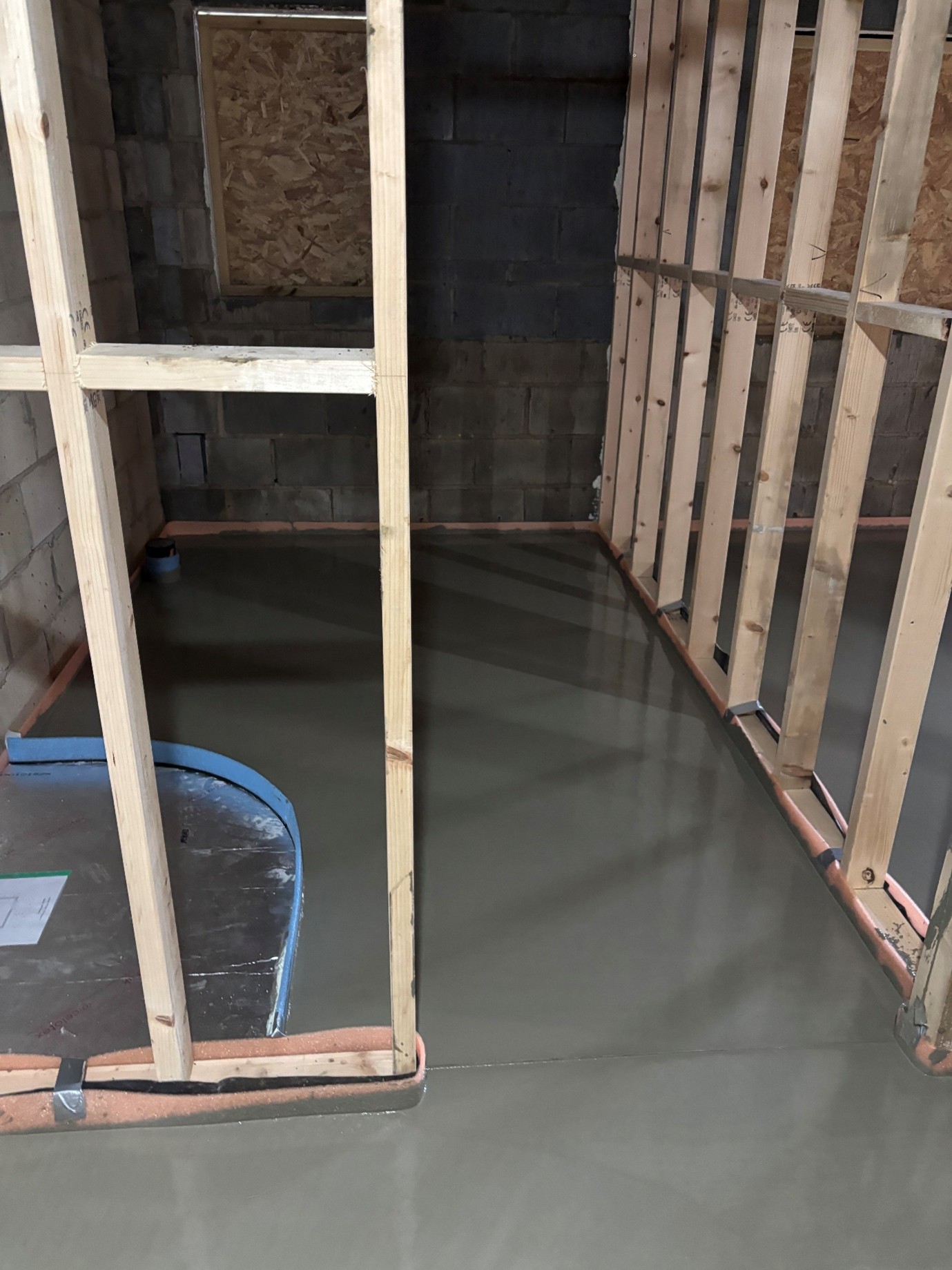
Cement‑based liquid screed, such as Cemfloor, is far more tolerant of moisture and better suited to wet‑area construction.
Its key advantages include:
- Strong resistance to moisture‑related degradation
- Full compatibility with cement‑based adhesives
- Proven suitability for bathrooms, kitchens and utility rooms
- Reliable performance beneath tiles and natural stone
- Excellent compatibility with modern waterproofing systems
All of this makes cement‑based liquid screed a safer, more robust choice in moisture‑prone environments.
Compatibility with waterproofing systems
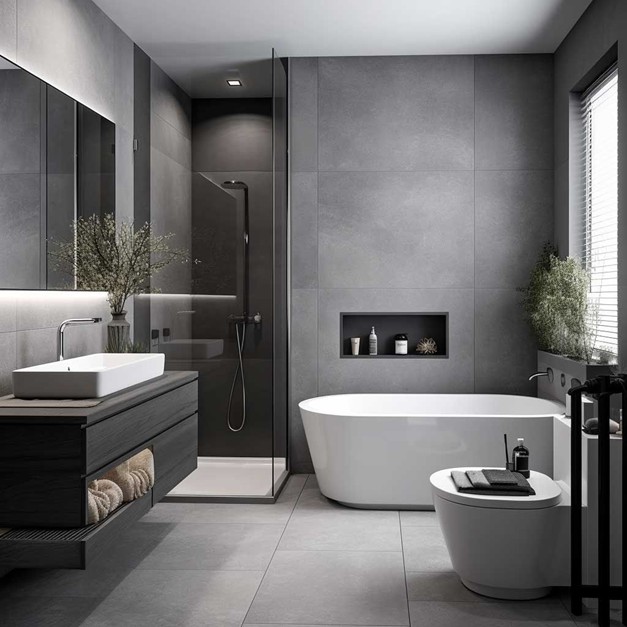
Modern wet areas rely on effective waterproofing to protect the structure below the floor.
Cement‑based liquid screed works well with:
- Liquid‑applied waterproof membranes
- Sheet membrane systems
- Tanking systems commonly used in wet rooms and showers
Once the screed has cured and dried to the required moisture level, waterproofing products can be applied directly, following the manufacturer’s guidance.
Underfloor heating in wet areas
Underfloor heating is often installed in bathrooms and kitchens to improve comfort and practicality. It helps to:
- Keep floors warm underfoot
- Speed up drying after use
- Reduce cold spots in smaller spaces
Cement‑based liquid screed is particularly well suited to underfloor heating because it fully encapsulates pipes or cables and provides even, efficient heat distribution.
Floor finishes: tiles, stone and more
Cement‑based liquid screed is compatible with a wide range of floor finishes, including:
- Ceramic tiles
- Porcelain tiles
- Natural stone
- Vinyl and LVT (subject to moisture testing)
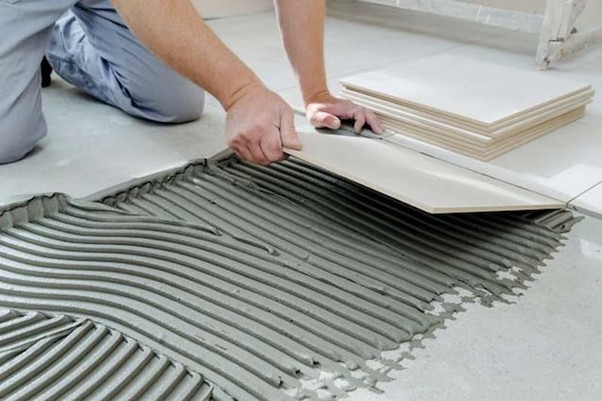
Tiles remain the most common finish in wet areas, and once moisture levels are confirmed as suitable, cement‑based screed provides an excellent substrate.
Building Regulations and good practice
Using cement‑based liquid screed in wet areas supports compliance with UK Building Regulations, including:
- Part C – Resistance to Moisture
- Part A – Structural Integrity
Correct detailing of membranes, falls (where required) and waterproofing systems is still essential, but the screed itself does not introduce additional moisture‑related risk.
Common mistakes to avoid in wet areas
Most failures in wet areas aren’t caused by the screed itself, but by rushed installation or poor sequencing. Common mistakes include:
- Installing anhydrite screed in bathrooms or wet rooms
- Laying tiles before moisture testing is complete
- Omitting waterproofing systems
- Poor detailing around drains and pipe penetrations
Taking the time to follow best practice at each stage makes a significant difference to long‑term performance.
Plain‑English summary
Cement‑based liquid screed is well suited to bathrooms, kitchens and other wet areas. It’s moisture tolerant, compatible with waterproofing systems and performs reliably beneath tiled finishes.
That’s why cement‑based systems are so commonly specified in wet environments where durability and longevity matter.
FAQs
Can cement-based liquid screed be used in bathrooms?
Yes. Cement‑based liquid screed is suitable for bathrooms when it’s installed correctly and used alongside appropriate waterproofing systems.
Is cement-based liquid screed suitable for kitchens and utility rooms?
Yes. Cement‑based liquid screed performs well in kitchens and utility rooms, where occasional moisture and temperature changes are part of normal use.
Why is anhydrite screed not recommended for wet areas?
Anhydrite screed is gypsum‑based and sensitive to moisture. Prolonged exposure to water or high humidity can affect its long‑term performance, which is why it’s generally avoided in wet areas.
Can tiles be laid directly onto cement-based liquid screed?
Tiles can be laid onto cement‑based liquid screed once moisture testing confirms the screed is within the required limits and the correct primers and adhesives are used.
Is cement-based liquid screed compatible with waterproofing systems?
Yes. Cement‑based liquid screed is compatible with most liquid‑applied and sheet waterproofing systems used in bathrooms, kitchens and wet rooms.
Can underfloor heating be used in bathrooms with cement-based liquid screed?
Yes. Cement‑based liquid screed works very well with underfloor heating in bathrooms, providing even heat distribution and improved comfort.
Does cement-based liquid screed comply with Building Regulations in wet areas?
Yes. When correctly detailed with membranes and waterproofing, cement‑based liquid screed supports compliance with UK Building Regulations, including Part C (Resistance to Moisture).
What is the biggest mistake when using screed in bathrooms or kitchens?
The most common mistake is rushing the process – particularly laying floor finishes before moisture testing is complete or failing to install proper waterproofing.