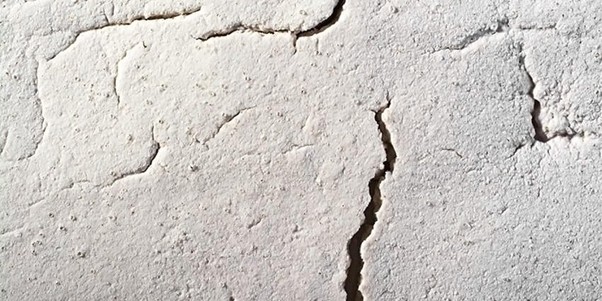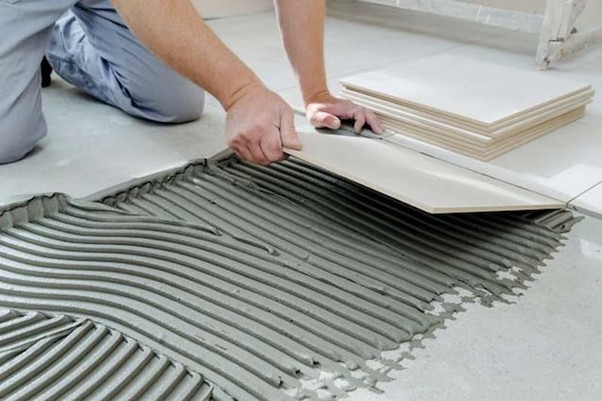
Underfloor heating is one of the key benefits of using cement‑based liquid screed, but it needs to be commissioned correctly. Done properly, it protects the screed, improves drying, and ensures long‑term performance. Done badly, it can lead to cracking, uneven drying, or avoidable delays.
The guidance below is based on Cemfloor’s own underfloor heating recommendations, alongside widely accepted industry best practice for cement‑based screed installations.
Why underfloor heating commissioning matters
Cement‑based screeds like Cemfloor gain strength and dry through a combination of curing and controlled moisture loss. If heat is introduced too early, or temperatures are increased too quickly, it can create thermal stress in the screed. This can happen even when the screed mix and preparation are otherwise correct.
Correct commissioning:
- Supports even moisture release
- Encourages controlled, consistent drying
- Reduces the risk of cracking or curling
- Helps the underfloor heating system run more efficiently
Taking a measured approach at this stage makes a real difference to the final outcome.
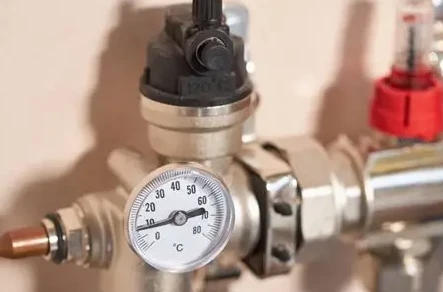
Screed coverage over UFH pipes
Before underfloor heating is commissioned, it’s important to check that the screed has been laid to the correct depth over the pipes.
- The screed should fully cover the pipes, with a minimum of 25 mm of cover above the top of the underfloor heating pipes.
This depth is important because it ensures:
- Efficient heat transfer into the screed
- Protection of the pipework
- Consistent and predictable thermal performance
When to start UFH commissioning
In line with Cemfloor guidance and general best practice:
- Underfloor heating should not be switched on immediately after screeding.
- The screed needs time to cure initially, so heat should be introduced only after several days.
Once the screed has gained early strength – typically after the first week – commissioning can begin, provided it’s done in a controlled way.
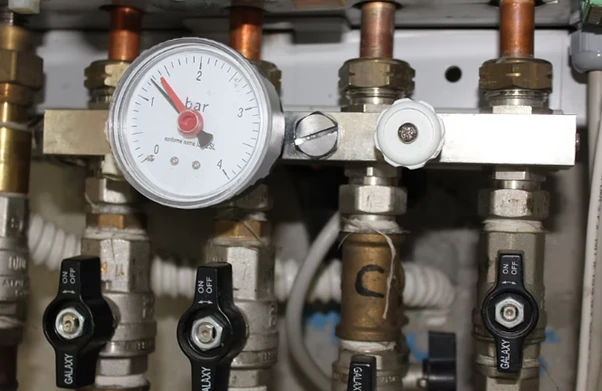
Step-by-step commissioning process
The following process is widely accepted for cement‑based liquid screeds such as Cemfloor.
1. Initial heat hold period
After at least 7 days, the heating system can be switched on at a low water temperature of around 25 °C.
Starting gently helps reduce stress within the screed and allows drying to begin evenly.
2. Gradual temperature increase
Once the screed is responding well at the initial temperature:
- Increase the flow temperature in small steps, typically by around 5 °C per day, until the system reaches its designed operating temperature.
- Most systems operate at a maximum of around 45-50 °C, depending on their design.
Large or sudden temperature increases should be avoided, as rapid heating can cause cracking or uneven drying.
3. Maintain top temperature cycle
Once the final operating temperature is reached, hold it for several days. This encourages moisture to leave the screed under controlled conditions and helps stabilise the floor.
4. Controlled cooldown
After the heating cycle, temperatures should be reduced gradually rather than switching the system off suddenly. This avoids thermal shock and supports steady moisture reduction.
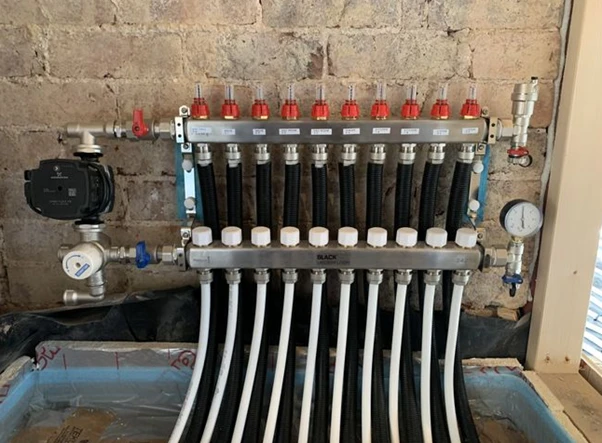
What UFH commissioning achieves
When underfloor heating is commissioned properly, it delivers several benefits:
- More consistent and predictable drying
- Improved heat transfer and system efficiency
- Reduced risk of shrinkage‑related cracking
- A shorter overall programme compared with screeds that are not commissioned
This becomes particularly important where the final floor finish will be tiles, timber, or other moisture‑sensitive materials.
Always carry out moisture testing
Even with correct underfloor heating commissioning, moisture testing is still essential before any final floor coverings are installed.
Key points to remember:
- A screed can look dry on the surface while still holding moisture
- Flooring adhesives and timber finishes have strict moisture limits
- Skipping testing can lead to floor failures and warranty issues
Moisture testing is the final check that confirms the screed is ready to receive its finish.
Top mistakes to avoid
Based on Cemfloor guidance and best practice, the most common mistakes include:
- Turning the underfloor heating on too early
- Starting at high temperatures
- Increasing temperatures too quickly
- Relying on heat alone without proper ventilation
- Ignoring screed thickness above the pipes
Avoiding these issues reduces long‑term problems and improves overall floor performance.
Plain-English summary
Allow the screed to cure first, then commission underfloor heating by starting at a low temperature and increasing it gradually. Maintain the maximum temperature for a short period, then reduce it slowly. This approach supports controlled drying and significantly reduces the risk of cracking.
Frequently Asked Questions – UFH Commissioning
When can underfloor heating be turned on with Cemfloor screed?
After at least 7 days of curing, starting at a low temperature before increasing gradually.
What temperature should UFH start at?
Start at around 25 °C, then increase in small increments.
How much screed cover do UFH pipes need?
A minimum of 25 mm cover above the pipes.
Can UFH reduce drying time?
Yes – but only when it is commissioned correctly and used alongside proper ventilation.
What are common UFH commissioning errors?
Turning the heating on too early, increasing temperatures too quickly, or skipping moisture testing.
Main Image (please attach when emailing – ideally landscape format and either JPEG or PNG or insert video URL)