As liquid screed becomes the go-to choice for modern construction, one question comes up time and time again from homeowners, builders, and developers alike:
Which is better – cement-based liquid screed or anhydrite?
While both options are widely used, the differences between them can have a major impact on programme times, underfloor heating performance, and long-term reliability. Here, we break down the facts and explain why we choose to supply cement-based liquid screed only.


Understanding the two types of liquid screed
Anhydrite screed is gypsum-based and has been popular for years due to its flowing properties and lower material cost.
Cement-based liquid screed, such as Cemfloor, uses a cement binder rather than gypsum, offering similar flow characteristics but with important practical advantages on site.
The biggest difference: risk and reliability
The main question isn’t which screed looks flatter on the day of the pour — it’s which one causes fewer issues after installation.
Anhydrite screed considerations
Anhydrite screed requires:
• Removal of surface laitance before floor coverings are laid
• Careful moisture management
• Extra checks for compatibility with adhesives
• Avoidance in wet areas such as bathrooms and kitchens
If any of these steps are missed or rushed, delays and flooring failures can follow.
Cement-based screed advantages
Cement-based liquid screed avoids many of these risks:
• No laitance removal process
• Greater moisture tolerance
• Compatible with tiles, vinyl, wood, and carpet
• Suitable for wet areas
• More forgiving of real-world site conditions
For most projects, this translates to a more predictable outcome.
Performance with underfloor heating
Underfloor heating is now standard in many new builds and extensions — and this is where cement-based liquid screed really stands out.
Cement-based screeds:
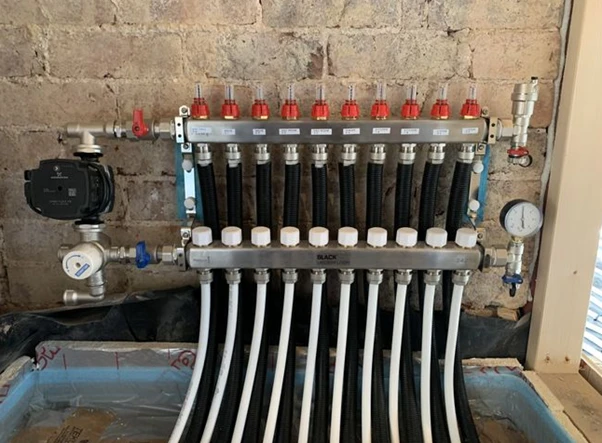
• Fully encapsulate UFH pipes
• Provide excellent thermal conductivity
• Allow earlier commissioning of the heating system
• Support lower flow temperatures and efficient heat transfer
The result is a system that heats up evenly and performs as designed, without unnecessary delays.
Programme time and final floor finishes
While anhydrite screed can appear cost-effective initially, additional steps such as sanding, testing, and extended drying often add time back into the programme.
Cement-based liquid screed offers:
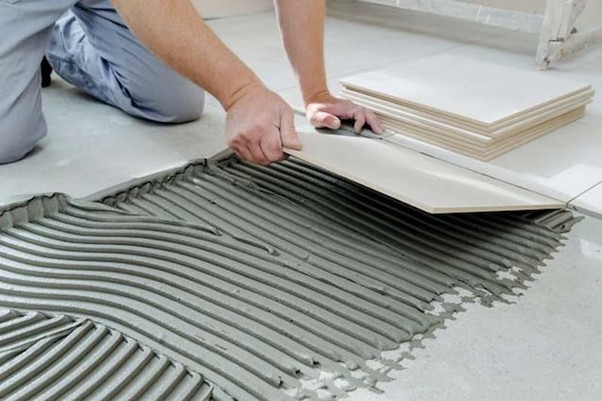
• Faster route to final floor finishes
• Fewer aftercare requirements
• Reduced risk of hold-ups before tiling or flooring
For developers and homeowners alike, this reliability is often more valuable than a small saving on material cost.
So, which is better?
For us, the answer is clear.
Cement-based liquid screed is the better all-round solution for modern construction — particularly where underfloor heating, wet areas, and tight schedules are involved.
That’s why we choose to supply cement-based liquid screed rather than anhydrite. It delivers consistent results, reduces follow-on risks, and helps projects move smoothly from pour to final finish. If you’d like to learn more about preparation, underfloor heating performance, or whether cement-based liquid screed is right for your project, our team is always happy to help.