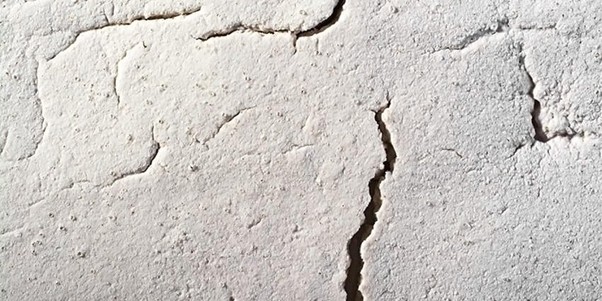

When liquid screed problems occur, they are rarely caused by the screed itself.
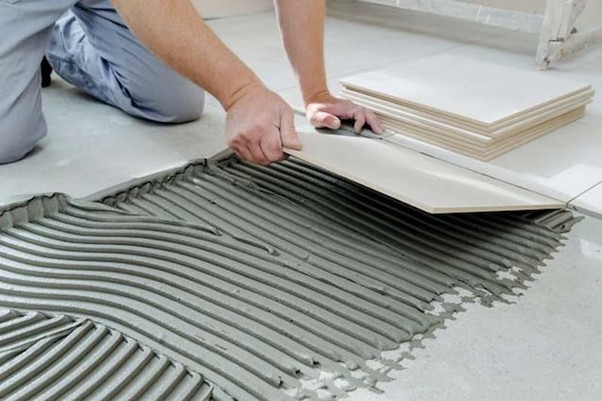
In the vast majority of cases, issues such as cracking, uneven floors, poor underfloor heating performance, or delays to final floor finishes can be traced back to inadequate preparation.
Correct preparation isn’t just best practice – it’s essential. It plays a key role in meeting UK Building Regulations and manufacturer guidance, particularly when working with cement based liquid screed systems such as Cemfloor.
Why preparation matters
Liquid screed is a precision product. Because it is free flowing and self levelling, it depends entirely on the surface beneath it being:
- Stable
- Level
- Correctly detailed
- Properly sealed
Unlike traditional sand and cement, liquid screed won’t mask underlying issues – it highlights them.
Simply put, the screed will only ever perform as well as the base it’s poured onto.
Building Regulations context (UK)
Preparation for liquid screed is closely linked to compliance with several parts of the UK Building Regulations, including:
- Part A (Structure): ensuring the floor build up can safely support imposed loads
- Part L (Conservation of Fuel & Power): correct insulation and thermal efficiency
- Part E (Resistance to Sound): acoustic detailing and edge isolation
- Part C (Resistance to Moisture): moisture control and damp protection
Good preparation helps ensure the finished floor performs as designed and passes inspection without issue.
Step by step preparation requirements
1. Sub base and insulation installation
Insulation boards must be:
- Laid flat and level
- Fully supported, with no rocking or voids
- Installed in line with the floor design and Part L requirements
Poorly installed insulation can lead to uneven screed depths, cracking, and reduced underfloor heating efficiency. All joints should be tightly butted and taped where required.
2. Damp proof membrane (DPM) and separation layers
A suitable membrane must be installed to:
- Prevent moisture ingress from below (Part C compliance)
- Stop screed loss through insulation joints
- Provide a clean separation layer where required
Membranes should be properly lapped, fully sealed, and turned up at edges to meet the perimeter insulation. Any damage or gaps can compromise both the screed and the final floor finish.
3. Perimeter edge insulation (edge strip)
Edge insulation is not optional.
It allows for natural expansion and contraction of the screed, helps prevent cracking at walls and columns, reduces sound transmission (Part E), and improves thermal performance (Part L).
Edge strip should be installed:
- Around all walls
- Around columns, pipe penetrations, and upstands
- To the full height of the finished floor build up
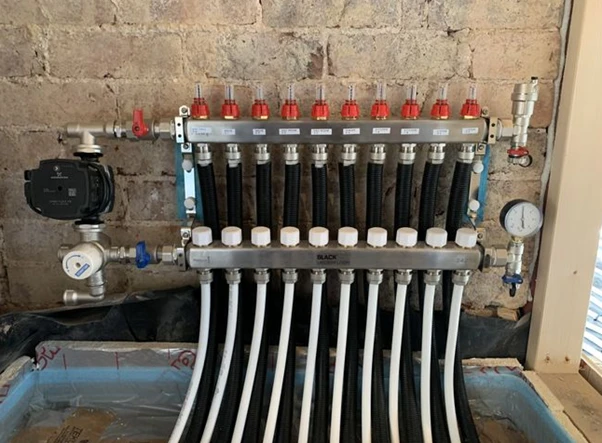
4. Underfloor heating installation
Where underfloor heating is present, preparation becomes even more critical.
UFH pipework or cables must be:
- Installed exactly to the design layout
- Securely clipped or fixed to prevent flotation during the pour
- Evenly spaced to ensure consistent heat output
Before screeding, systems must be pressure tested, any leaks resolved, and pipework kept under pressure during installation. This protects both the installer and the client.
5. Levels, datum points, and thresholds
Finished floor levels should be clearly marked before screeding begins and checked against door thresholds, stairs, and adjoining floors. Allowance should also be made for the final floor covering.
Liquid screed delivers excellent flatness – but only when levels are correctly set in advance.
Site conditions before pouring
Even with perfect physical preparation, site conditions still matter.
Before screeding, the building should be weather tight, excessive drafts avoided, extreme temperatures controlled, and direct sunlight limited where possible.
Cement based liquid screed is more forgiving than gypsum based systems, but uncontrolled conditions can still affect the final result.
Why cement-based liquid screed is more forgiving
Compared to anhydrite screeds, cement based liquid screed:
- Tolerates higher ambient humidity
- Is less sensitive to minor site condition changes
- Does not rely on surface laitance removal
- Fits more easily into standard construction sequencing
This makes it particularly well suited to busy sites and phased construction programmes.
Common preparation mistakes to avoid
- Loose or uneven insulation boards
- Missing or damaged membranes
- Gaps in edge insulation
- Underfloor heating pipes not fully secured
- Rushed preparation to meet programme deadlines
Most long term screed issues can be traced back to one of these points.

Plain-English summary
Correct preparation is essential for liquid screed performance, Building Regulations compliance, and long term reliability.
When installed on a properly prepared base, cement based liquid screed delivers predictable results, excellent underfloor heating performance, and a smooth route to final floor finishes.
What preparation is required before liquid screed is poured?
Preparation includes correctly installed insulation, perimeter edge strip, sealed membranes, and securely fixed underfloor heating pipework or cables.
What preparation is required before liquid screed is installed?
Preparation includes correctly installed insulation, perimeter edge strip, sealed membranes, and securely fixed underfloor heating pipework or cables.
Does underfloor heating need to be pressure tested before screeding?
Yes. Underfloor heating systems should be pressure tested before screed installation to confirm there are no leaks and that the pipework is secure.
Why is edge insulation required for liquid screed?
Edge insulation allows for natural expansion and contraction of the screed and helps prevent cracking and sound transmission.
Can poor preparation cause screed failure?
Yes. Many screed problems — including cracking and uneven finishes — are caused by inadequate preparation rather than the screed material itself.
Is cement-based liquid screed more forgiving of site conditions?
Cement based liquid screed is generally more tolerant of real world site conditions than gypsum based systems, reducing the risk of installation issues.