“How long will it take to dry?”
It’s one of the first questions people ask when they choose cement-based liquid screed.
If you’re using a high‑performance product like Cemfloor, the drying time depends on a few important factors – but the good news is that it’s usually far more predictable and manageable than gypsum‑based screeds.

Curing vs Drying – Why It Matters
Cement-based liquid screed goes through two separate processes:
- Curing – the chemical reaction that gives the screed its strength
- Drying – the gradual release of moisture from the screed
A floor can be structurally strong but still hold too much moisture for flooring installation. Knowing the difference helps you avoid issues later on.
Cemfloor screeds are designed to:
- Cure efficiently
- Dry in a steady, predictable way
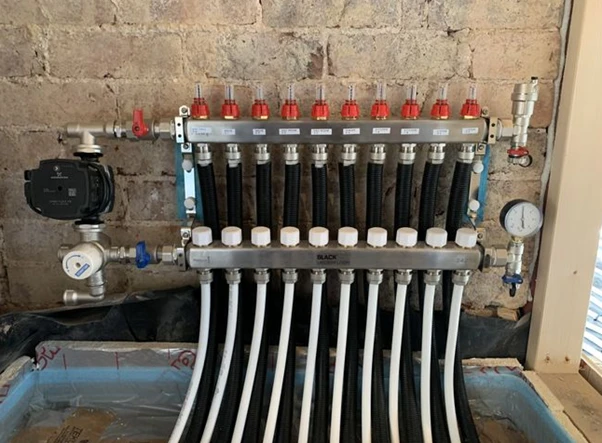
- Allow earlier interaction with the floor (for example, underfloor heating commissioning)
What to Expect From Cemfloor Drying Times
Exact drying times vary depending on thickness, ventilation, and general site conditions. However, Cemfloor provides clear guidance that helps keep projects on schedule.
Typical timelines include:
- Walk‑on time: around 24–48 hours
- Light foot traffic: once the initial set has taken place and conditions allow
- Underfloor heating commissioning: usually earlier than anhydrite screeds, following a controlled warm‑up process
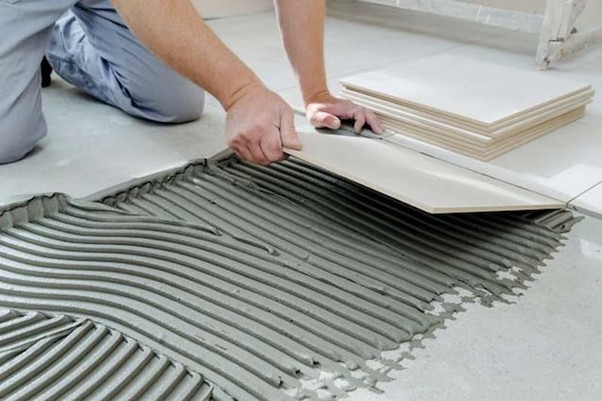
- Floor coverings: only once moisture testing confirms the screed is ready
And unlike anhydrite screeds, Cemfloor doesn’t require laitance sanding, which removes a major source of delays.

What Can Affect Drying Time?
Several factors influence how quickly Cemfloor dries:
- Overall screed thickness
- Temperature
- Ventilation and air movement
- Relative humidity
- Whether UFH is being used correctly to support drying
Good site management — especially getting fresh air moving through the space – makes a significant difference. One of the biggest advantages of cement-based screed is that you can actively manage drying rather than just wait and hope.
Using Underfloor Heating to Help the Screed Dry
Once the curing stage is complete, underfloor heating can be used to gently speed up drying — as long as the system is brought up to temperature correctly.
Cemfloor’s guidance usually includes:
- Gradual temperature increases
- Avoiding sudden heat spikes
- Keeping the system running consistently
This controlled approach:
- Helps remove moisture more effectively
- Keeps the project on track
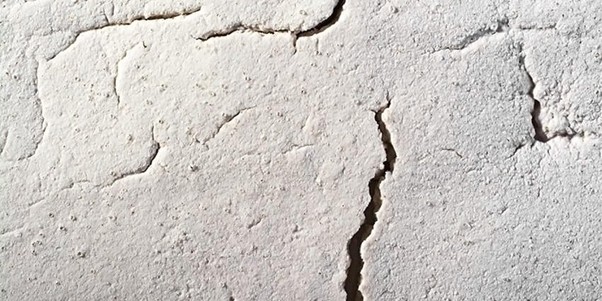
- Minimises the risk of cracking or thermal stress
Moisture Testing — The Non‑Negotiable Final Step
No matter what screed is used, floor coverings must never go down until moisture testing confirms it’s safe.
For cement-based liquid screed:
- Use a hygrometer or another approved testing method
- Required moisture levels will depend on the type of floor covering (tiles, vinyl, wood, etc.)
- Testing protects both installers and homeowners from long‑term problems
Skipping this step is one of the quickest ways to cause a flooring failure.

Why Cemfloor Beats Anhydrite for Predictability
Compared to gypsum-based screeds, Cemfloor offers:
- No laitance removal delays
- Better tolerance of real-world humidity
- More flexible and responsive UFH-assisted drying
- Clear, installer-friendly guidance
This consistency is why many contractors and developers prefer cement-based liquid screed when programme certainty is essential.
In Plain English
Cement-based liquid screed — when installed and managed properly — gives you a quicker, more controllable, and generally more reliable drying process than anhydrite screed. No sanding, fewer delays, and fewer moisture‑related headaches.
Quick FAQ
How long does cement-based liquid screed take to dry?
It depends on thickness, ventilation, and site conditions. Cement-based screed typically dries more predictably than anhydrite and allows earlier progress on most projects.
When can you walk on cement-based liquid screed?
Usually within 24–48 hours, depending on conditions and manufacturer guidance.
When can floor coverings be laid on cement-based liquid screed?
Only when moisture testing confirms the screed has reached the correct level for your chosen floor finish.
Does cement-based liquid screed dry faster than anhydrite screed?
Often, yes. There’s no laitance removal and it’s less sensitive to moisture changes, which makes the whole process more reliable.
Do you need to moisture test cement-based liquid screed?
Absolutely. Testing is essential for every screed type before laying any floor covering.